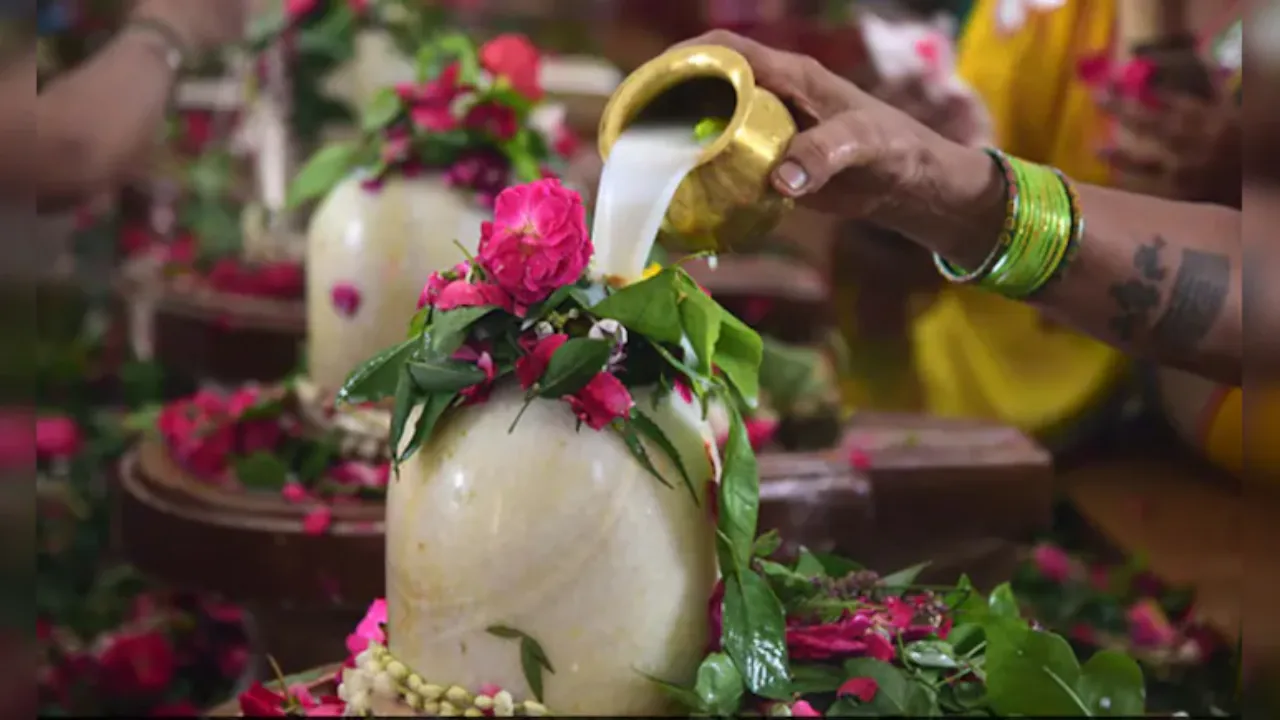
Mahashivratri 2026 will be celebrated on 15 February across India with night-long prayers, fasting, and special temple rituals dedicated to Lord Shiva. Devotees will observe four prahar pujas and Nishith Kaal worship.
Mahashivratri 2026 Date and Spiritual Significance
Mahashivratri 2026 falls on Sunday, 15 February, according to traditional Hindu almanacs. Moreover, this sacred festival holds immense importance in the Hindu calendar because devotees dedicate the entire night to Lord Shiva. As a result, temples across India witness heavy footfall and special arrangements. In Hindu belief, this divine night marks the celestial marriage of Lord Shiva and Goddess Parvati. Additionally, many scriptures associate the occasion with Shiva’s appearance as the infinite Jyotirlinga, symbolizing his boundless and radiant form. Therefore, devotees consider this night spiritually powerful for meditation and prayer. Meanwhile, spiritual seekers believe that sincere worship on Mahashivratri helps cleanse negative energies and bring inner peace. Consequently, millions observe fasting and chant “Om Namah Shivaya” throughout the night.
Read More :- Hyundai Verna Facelift Interiors Spied; Here’s What Has Changed in the Updated Sedan
Mahashivratri 2026 Four Prahar Puja Timings
Devotees traditionally divide the night into four prahars (phases) for worship. Moreover, each prahar holds special importance, and many devotees perform abhishek rituals during each phase. As a result, temples organize structured prayer schedules for smooth observance.
| Prahar | Timings |
|---|---|
| First Prahar | 6:01 PM to 9:09 PM (15 February 2026) |
| Second Prahar | 9:09 PM (15 Feb) to 12:17 AM (16 Feb) |
| Third Prahar | 12:17 AM to 3:25 AM (16 February) |
| Fourth Prahar | 3:25 AM to 6:33 AM (16 February) |
However, the most auspicious time for worship is known as Nishith Kaal. This sacred window will occur between 11:52 PM and 12:42 AM on the intervening night of 15 and 16 February. Therefore, many devotees prioritize performing special prayers during this period.
Mahashivratri 2026 Rituals and Fasting Rules
On Mahashivratri, devotees wake up early and take a ritual bath before beginning the fast. Moreover, they visit Shiva temples to offer prayers and perform abhishek of the Shiva Linga. As a result, temple premises remain vibrant with devotional chants and bells. Additionally, devotees offer milk, honey, ghee, fruits, sweets, and sacred bael leaves to Lord Shiva. Meanwhile, some also present bhaang as a traditional offering associated with the deity. Consequently, these offerings symbolize devotion, purity, and surrender. In addition, many devotees observe a strict day-long fast, consuming only fruits and water. However, some choose a partial fast depending on health and tradition. Therefore, individuals follow rituals according to family customs and regional practices. Throughout the night, worshippers remain awake, light diyas, and chant mantras. Moreover, temples in several cities organize special bhajans and kirtans to maintain a devotional atmosphere. Consequently, the spiritual energy intensifies as the night progresses.
Temple Celebrations and Cultural Traditions
Across India, major Shiva temples host grand celebrations on Mahashivratri. Moreover, many temples conduct processions featuring beautifully decorated idols of Lord Shiva and Goddess Parvati carried on palanquins. As a result, devotees gather in large numbers to witness these sacred events. Meanwhile, cities like Varanasi, Ujjain, and Somnath witness elaborate rituals and cultural programs. Additionally, priests perform continuous abhishekam ceremonies, which draw devotees from distant regions. Consequently, Mahashivratri becomes not only a religious occasion but also a vibrant cultural celebration. On the following morning, devotees break their fast with a light sattvik meal. Moreover, this meal typically includes fruits and non-cereal foods. Therefore, the observance concludes peacefully, leaving devotees spiritually fulfilled.
Why Mahashivratri 2026 Holds Special Importance
Mahashivratri carries deep spiritual symbolism. Moreover, it represents the victory of light over darkness and knowledge over ignorance. As a result, devotees consider it an ideal time for meditation and self-reflection. Additionally, many believe that sincere prayers on this night can fulfill wishes and remove obstacles. Meanwhile, spiritual leaders emphasize inner transformation and discipline through fasting and night vigil. Consequently, Mahashivratri inspires both devotion and personal growth. Overall, Mahashivratri 2026 promises to unite millions in devotion, faith, and celebration. Therefore, whether through temple visits, fasting, or silent meditation, devotees will honor Lord Shiva with deep reverence and joy.
| FAQ | Answer |
|---|---|
| When is Mahashivratri in 2026? | Mahashivratri will be observed on 15 February 2026. |
| What is the most auspicious time for Mahashivratri puja? | Nishith Kaal, between 11:52 PM and 12:42 AM, is considered the most auspicious. |