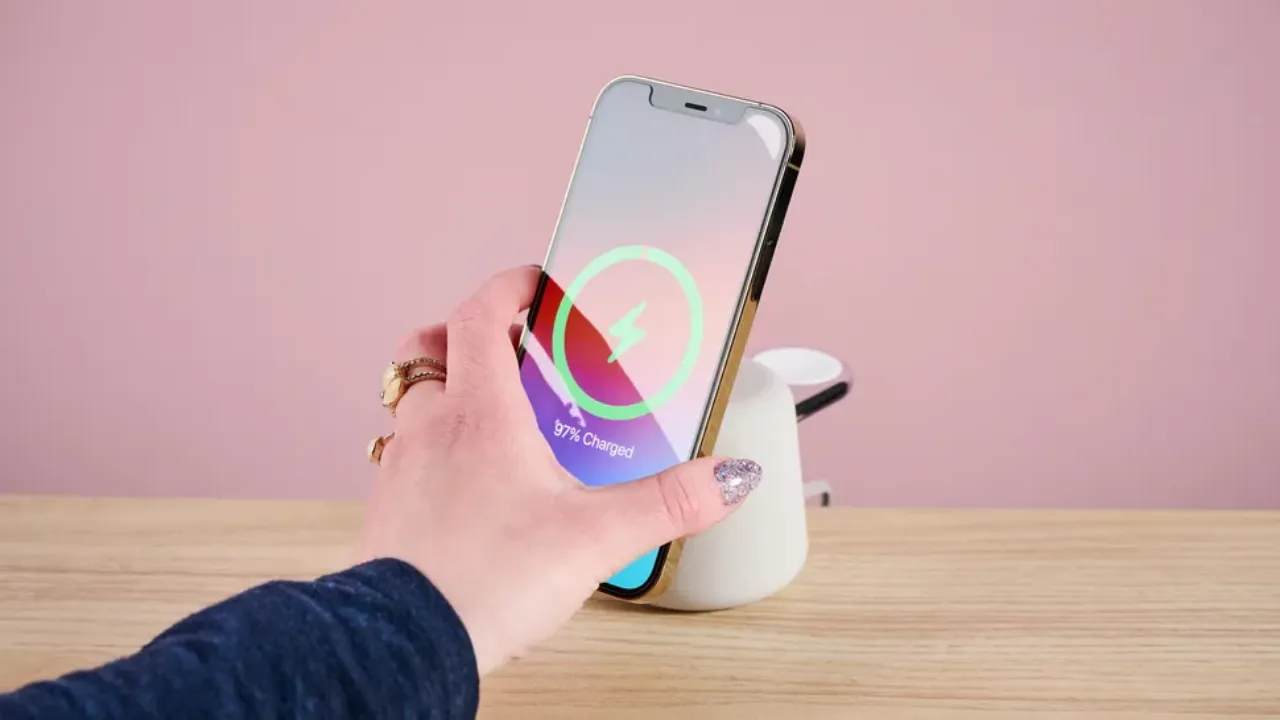
Wireless Charging: A Convenience That Harms Your Phone Battery? Experts Weigh In
The simple drop-and-charge feature of wireless charging is a modern luxury. It promises a tidy, cable-free experience, often with a satisfying magnetic click. From built-in car consoles to bedside pads, this technology is everywhere.
Yet, doubts linger. Many users notice their phones charge slower and feel warmer on a wireless pad compared to a direct cable. This has led to a widespread concern: is this convenient method secretly damaging our phone batteries over time?
We consulted specialists to separate fact from fiction regarding battery health and wireless charging.
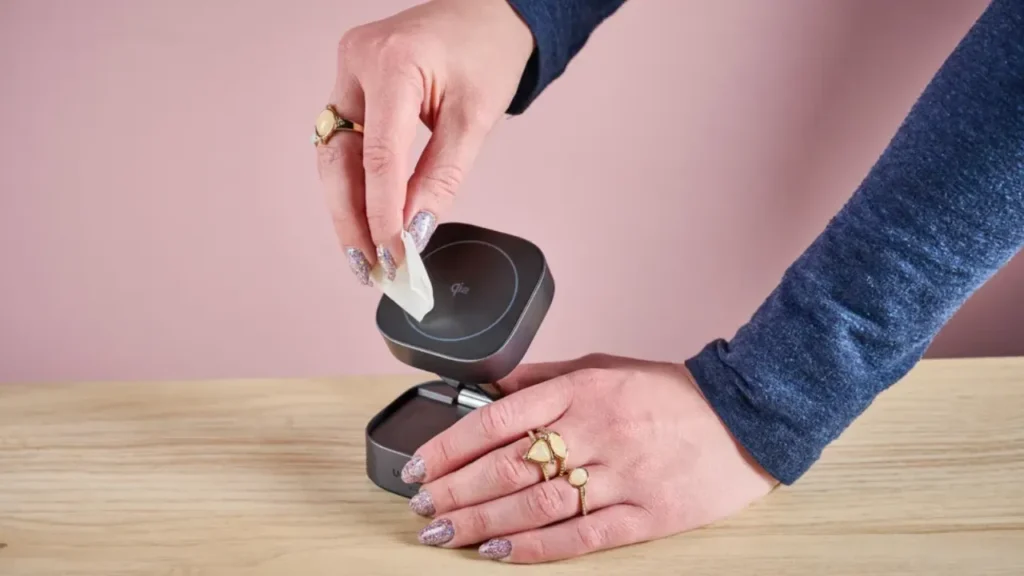
The Core Concern: Heat and Efficiency
A common belief is that the extra warmth and electromagnetic fields from wireless charging stress the battery, causing faster degradation.
“Wireless charging does not ‘kill’ your phone’s battery,” clarifies Associate Professor Ritesh Chugh, a socio-tech expert from Central Queensland University. “However, it can cause the phone to run slightly warmer, which might have a minor impact on long-term battery health with frequent use.”
The science behind it explains why. Wireless charging uses electromagnetic induction. A coil in the pad creates a magnetic field, which induces a current in a corresponding coil inside your phone. This current is then converted to charge the battery.
The catch is efficiency. “Wired charging is around 95% efficient, while wireless charging is typically 70-80% efficient,” notes Kent Griffith, Assistant Professor at UC San Diego. Lost energy becomes heat, and heat can accelerate battery aging.
Read Also:Motorola Unveils 2026 Flagship 5G Phone with 400MP Camera and Ultra-Fast 200W Charging
Safety and Smart Charging Practices
Modern devices and chargers have built-in safeguards. They follow standards like Qi, which regulate power transfer and include temperature control.
“Occasional wireless charging is perfectly fine. Daily use won’t cause noticeable harm for most users,” assures Professor Chugh. The key is managing heat.
Experts recommend using your charger on a cool, hard surface—not on beds or sofas that trap heat. Always ensure proper coil alignment and use a Qi-certified charger from a reliable brand for essential safety features.
The Final Verdict
While wireless charging is less efficient and can generate more heat than wired charging, it is not a battery killer. The potential impact on long-term battery health is minimal for the average user, especially with careful practices.
FAQs: Wireless Charging and Battery Health
1. Does wireless charging damage my phone’s battery?
No, it does not kill or severely damage the battery. However, the extra heat generated may have a very small effect on long-term health with constant use.
2. Why does my phone get warm during wireless charging?
Wireless charging is less efficient than wired charging. The energy lost in the transfer process is dissipated as heat, making the phone feel warmer.
3. Is wireless charging slower than using a cable?
Yes, typically it is slower. Wired charging is more direct and efficient, allowing for faster power delivery compared to most standard wireless chargers.
4. How can I make wireless charging safer for my battery?
Use a certified Qi charger, place it on a hard, cool surface, and ensure proper alignment. Remove the phone if it becomes excessively hot.
5. What is Qi certification and why is it important?
Qi is the standard wireless charging technology. Certified chargers have built-in safety features like temperature control and foreign object detection, making them safer to use.